


Extending a telescopic rescue pole might seem like a straightforward task, but it involves several important steps and considerations to ensure its proper functionality and safety during rescue operations. As a supplier of high - quality telescopic rescue poles, I am well - versed in these aspects and am eager to share this knowledge with you.

Understanding the Basics of a Telescopic Rescue Pole
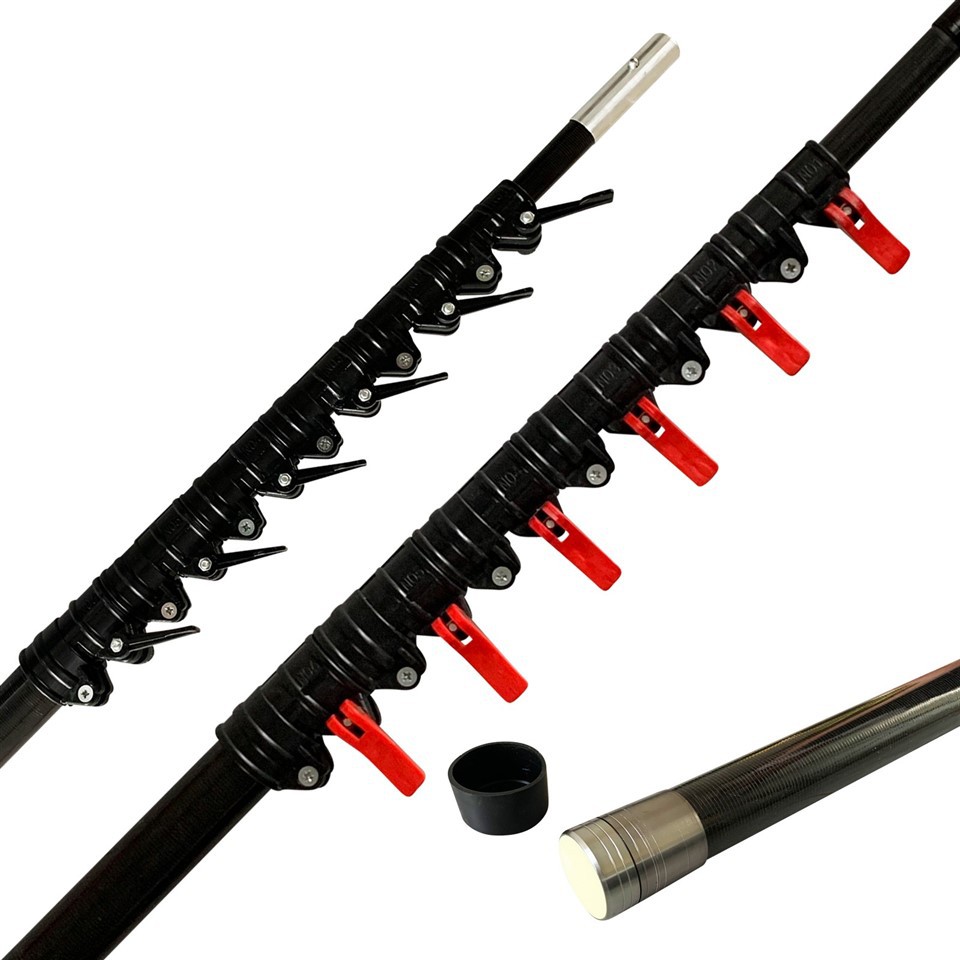
Telescopic rescue poles are essential tools in various emergency situations. They are designed to be compact and portable when not in use, yet they can be quickly extended to reach victims or perform other rescue - related tasks. These poles are often made from lightweight yet strong materials such as carbon fiber, which provides the necessary strength without adding excessive weight. For instance, our Carbon Fiber Telescopic poles are crafted with high - grade carbon fiber, offering excellent durability and flexibility.
Pre - extension Checks
Before extending a telescopic rescue pole, it is crucial to conduct a thorough pre - extension check. First, visually inspect the pole for any signs of damage, such as cracks, dents, or loose parts. A damaged pole may not function correctly during extension or could even break under stress, putting the rescuer and the victim at risk. Check the locking mechanisms of each section. These are the components that hold the pole in place once extended. Make sure they are clean and free of debris, as any obstruction can prevent proper locking.
Step - by - step Extension Process
- Initial Setup: Start by holding the base section of the pole firmly. This is usually the thickest and most stable part of the pole. Ensure that your grip is secure, as the pole may become top - heavy as it is extended.
- Slow and Steady Extension: Begin to pull out the next section of the pole. Do this slowly and steadily, applying even pressure. Avoid jerking or pulling too hard, as this can cause the sections to jam or the locking mechanisms to malfunction. As you pull out each section, listen for a click or feel a slight resistance. This indicates that the locking mechanism has engaged and the section is securely in place.
- Sequential Extension: Continue to extend the pole section by section, repeating the process of slow and steady pulling and checking for proper locking. It is important to extend the pole in a sequential manner, starting from the base and working your way up to the tip.
- Full Extension and Final Check: Once you have extended the pole to the desired length, give it a gentle tug to ensure that all sections are securely locked. Check each locking mechanism again visually to confirm that they are in the locked position.
Special Considerations for Different Pole Types
Some telescopic rescue poles, like our Carbon Fiber Areca Nut Harvesting Telescopic Pole, may have specific features or requirements. For example, poles used in certain environments may need additional protection against corrosion or wear. In such cases, it is important to follow the manufacturer's guidelines for extension and maintenance.
Longer poles, such as our 30 Foot Carbon Fiber Extension Pole, require extra caution during extension. Due to their length, they can be more difficult to handle and may be more prone to bending or getting out of alignment. Make sure to have a stable base and enlist the help of another person if necessary.
Troubleshooting
If you encounter problems during the extension process, such as a section that won't extend or a locking mechanism that won't engage, do not force the pole. First, try lubricating the area with a suitable lubricant, such as silicone spray. This can often free up any stuck parts. If the problem persists, carefully inspect the area for any debris or damage. In some cases, the pole may need to be disassembled and repaired by a professional.
Maintenance for Easy Extension
Regular maintenance is key to ensuring that your telescopic rescue pole extends smoothly every time. After each use, clean the pole thoroughly to remove any dirt, mud, or other contaminants. Dry it completely before storing it to prevent rust and corrosion. Lubricate the sliding surfaces and locking mechanisms periodically to keep them in good working condition.
Importance of Training
Proper training on how to extend a telescopic rescue pole is essential for all rescue personnel. Training programs should cover not only the physical process of extension but also safety procedures, troubleshooting, and maintenance. This ensures that rescuers can use the pole effectively and safely in high - stress situations.
Conclusion and Call to Action
Extending a telescopic rescue pole is a skill that requires knowledge, practice, and attention to detail. As a leading supplier of telescopic rescue poles, we are committed to providing high - quality products that are easy to use and maintain. Our products are designed to meet the demanding needs of rescue operations, offering reliability and performance when it matters most.
If you are in the market for reliable telescopic rescue poles or want to learn more about our products, we invite you to contact us for a detailed discussion. We are here to help you make the right choice for your specific rescue requirements and provide you with the support you need to ensure the safety and success of your operations.
References
- Manuals and user guides provided with telescopic rescue poles.
- Industry standards and best practices for rescue equipment.


